
Meetings
How to write meeting notes people actually use (a template for the junior note-taker)
How to write meeting notes that get read: a copy-paste template with a TL;DR, decisions, owners and dates, and open questions.
Read the piece →The long game: learning, mentors, networking without being cringe.
A career is a long game played in short quarters. The habits that matter most in the first year aren’t strategic — they’re structural. Keep a brag doc. Save the nice emails. Take notes in 1:1s. Ask for feedback before you need it. None of this shows up on a résumé, but all of it shows up when performance review season starts and you’re the only person on the team with the receipts.
Mentorship is the second lever, and it’s less formal than college made it sound. A mentor isn’t a person with a plaque on their door who meets you monthly — it’s anyone one or two steps ahead of you who’ll answer a specific question over coffee. The trick is asking good questions: concrete, time-boxed, and respectful of the fact that they’re doing you a favor. Do that a handful of times and some of those coffees turn into real relationships.
Networking is the word that makes new grads cringe, and they’re right to cringe at the bad version of it. The good version is much smaller: stay in touch with people you liked working with. A two-line email every six months. A congrats on the promotion. A forwarded article. Over a decade, that’s a network. Over a week, it’s five emails.

A professional out of office message for first PTO, sick days, and short offline — email OOO, Slack away, and one manager handoff line that names a briefed backup.

How to ask for a promotion at work — timing, evidence pack, and meeting script for your first title/level/scope ask. Not compensation. Not ladder theory.

How to leave a job professionally from your first role: the notice sequence, four scripts, counter-offer deferral, and what not to say.

How to decline a meeting without looking lazy — four polite scripts for calendar, Slack, manager-on-invite, and when you need the info but not the hour.

How to say I don't know professionally when you're cold-called — meeting, Slack, or email. Stall, bridge, timed follow-up. Four scripts. Kill "I'll look into it."

How to be taken seriously at work isn't about sounding older — it's four credibility scripts (pushback, clarify, own a miss, intro) that stop age from being the story.

Small talk isn't filler — it's a 30-second trust signal. Venue-grouped openers and clean exits for foreign hires and new grads who freeze in the kitchen.

Sick days in your first 90 days feel higher-stakes than they are. Here's how to handle the message, the handoff, and the return without making your manager worry.

Your assigned onboarding buddy vanishes in week two. More common than anyone admits. Three moves that make the rest of your ramp work without them.

How to read the unspoken rules behind a business casual policy so your first impression is signal, not static.

Scripts and strategies for your first-week introductions on Slack, email, and in person.

An honest look at the first-month fog so new hires can decode the rituals and what the company is actually doing.

A simple Week 1 setup so you look competent fast: define success, build your note system, and stop guessing what matters.

A one-page 30/60/90 for new grads that reads like alignment, not a manifesto — plus the email script your manager will actually answer.

Exact wording for asking questions without sounding clueless — and without wasting anyone's time.

How to stay ambitious without turning your team into a zero-sum game — especially in your first 90 days.

A fair look at the friction points — and the systems that help new grads succeed in their first 90 days.
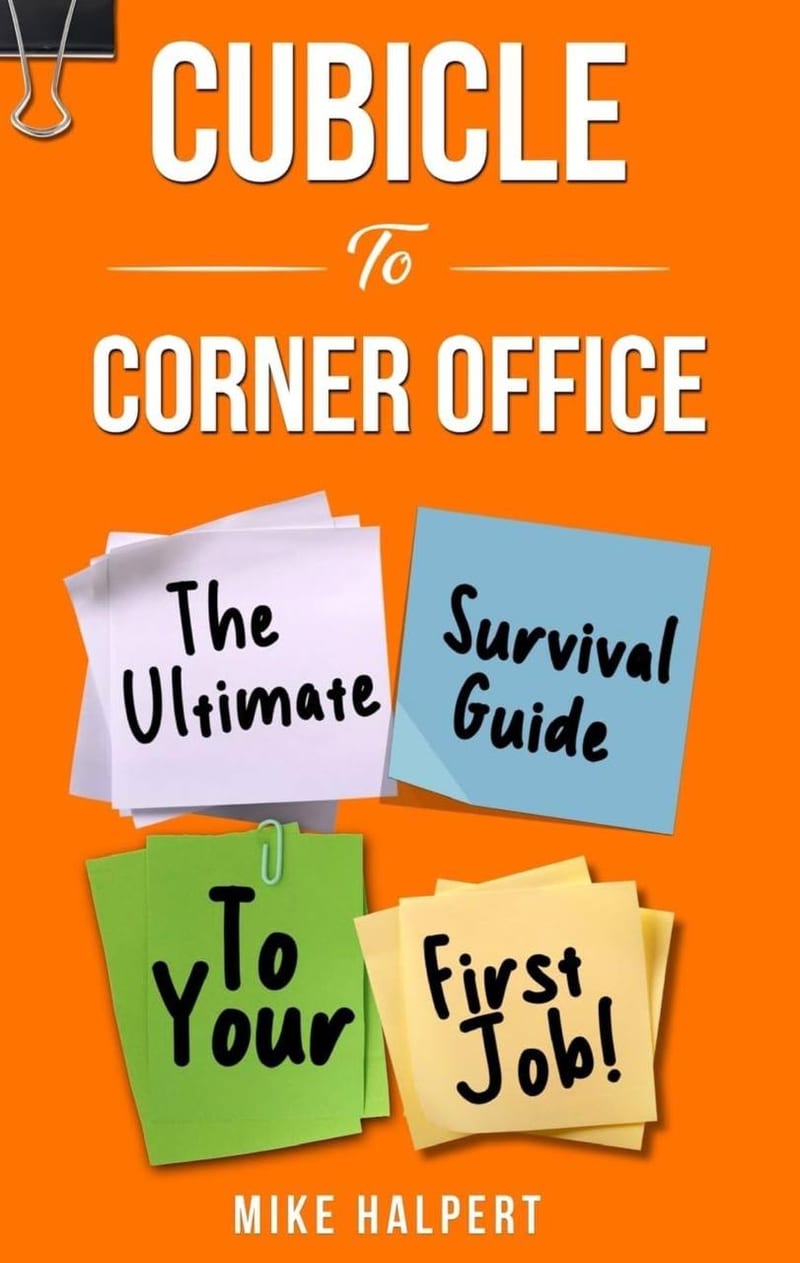
Why I wrote the guide I wish I had — and how it fits into the First 90 Days OS.

Stop wasting hours on work your manager didn't actually want. Learn how to calibrate expectations before you start.

A first-job lesson: your professionalism is a system — attire, punctuality, and how you show up in the room (and the chat).

A first-job guide to expense policies, gray areas, and how to stay above board without being a pain to work with.

A practical guide to using slow moments to build trust, skills, and momentum.

How to set your professional defaults in the first three months so you don't spend a year fixing a bad reputation.

A simple way to learn the competitive context of your first job — value chain, profit pools, and the questions that make you sound switched on.
This topic maps to Chapter 1 — Corporate culture of the book. See the full chapter →