Career planning
When to move, when to stay, MBA pivots, conference networking, the career conversation you should be having every six months.
Most people in their twenties think about their career every two or three years — usually right after a bad performance review or a friend's promotion makes them anxious. That cadence is too slow. The compounding decisions in early career are the small ones: whether to take the boring stretch project, whether to stay one more year, whether to spend a Saturday at a conference, whether to apply for an MBA. None of them feels load-bearing in the moment. Five of them in a row determines whether you're an associate or a director by your early thirties.
The posts here are the tools for thinking deliberately about the long game: how to run a self-review every six months, when to leave a job and when staying is the better move, the actual ROI calculus on an MBA in 2026, how to use a conference for what conferences are actually for. None of it is about hustle. It's about making sure the small decisions add up to a career you'd choose on purpose.

-

A reader asks: I'm in FP&A and want to pivot to IB — is it too late?
Corporate-finance-to-IB pivots are harder than people say, but more doable than the internet makes them sound. Here's what actually works.
-

Keep a wins log even if you hate bragging
How to capture outcomes and feedback now so your performance review has receipts.
-

How to earn a work mentor through small asks, no formal ceremony required
Build real mentorship at work by spotting seniors worth their time, testing with quick specific requests, and following through consistently.
-

The skill stack plan for your first 90 days
A practical checklist for choosing the skills to learn in your first job so you become useful fast without trying to learn everything.
-
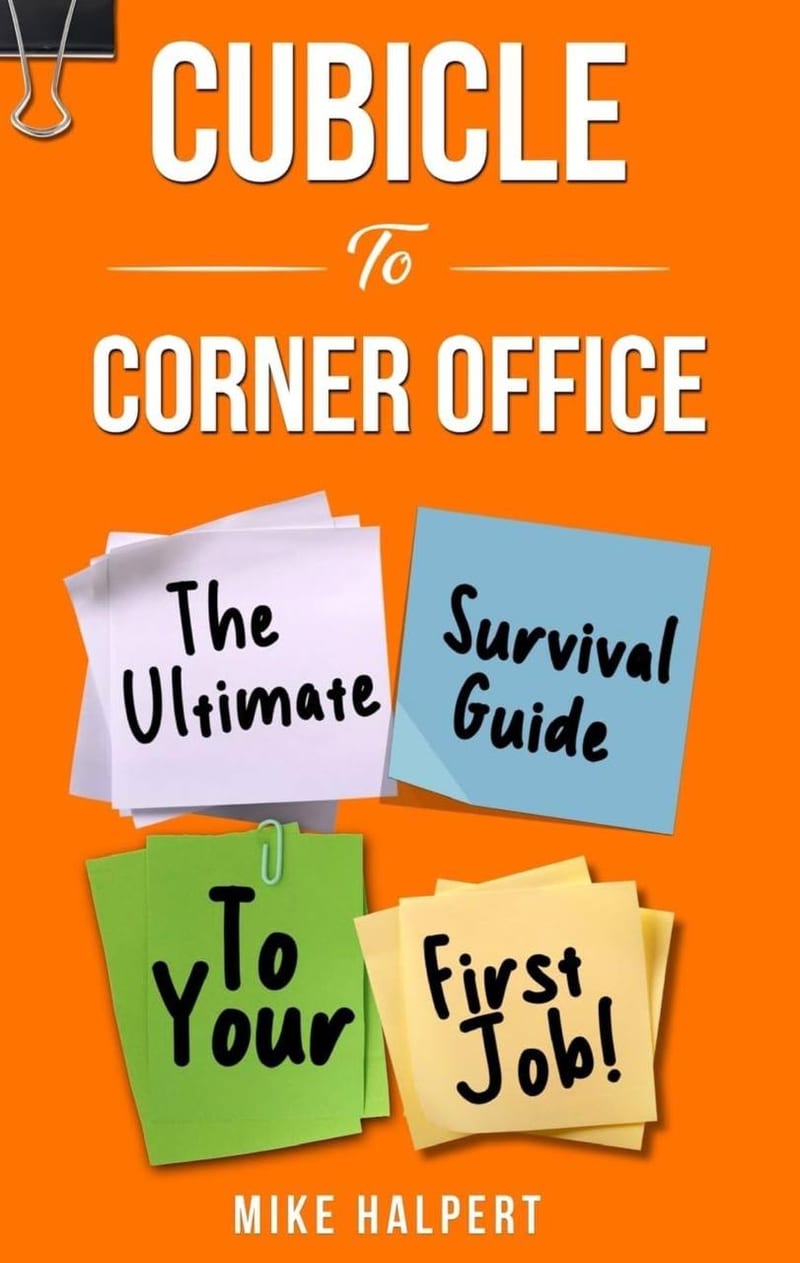
Introducing Cubicle to Corner Office
Why I wrote the guide I wish I had — and how it fits into the First 90 Days OS.